
NAIROBI / HARARE — In a direct bid to counter the widening digital divide highlighted in its telemetry, Microsoft has committed to a massive funding initiative designed to build baseline technology capacities across developing economies. The technology titan announced a US$50 billion investment pledge aimed squarely at bridging the AI divide within the Global South. A significant portion of this global capital will target sub-Saharan Africa, focusing heavily on expanding localized cloud computing infrastructure and regional data centers.
Crucially for Southern Africa, the funding targets more than just physical servers and concrete buildings. Recognizing that a lack of localized data keeps African businesses on the periphery, the tech giant plans to fund regional innovation hubs that can tailor technology to local needs. The comprehensive package earmarks US$2 billion for digital skills development and tech programs within non-profits and schools to cultivate the next generation of African developers.
Furthermore, US$5.5 million has been dedicated exclusively to the LINGUA Africa initiative, a project designed to solve a critical cultural bottleneck. The LINGUA Africa project will fund the training of large language models on historically underrepresented African languages, including Shona, Ndebele, and Zulu. This represents a massive shift from standard models, which have historically been trained almost entirely on Western datasets.
Regional linguists and software engineers note that AI adoption in Southern Africa has been severely throttled because current mainstream models optimize heavily for English and European languages. When a local user interacts with an AI in an indigenous language, the model often misinterprets cultural contexts or fails completely. By training LLMs natively on local dialects, the initiative aims to make digital assistants truly functional for everyday citizens.
Integrating indigenous languages will be critical if artificial intelligence is to ever move out of elite corporate boardrooms and into the hands of rural farmers, healthcare workers, and civic organizations across Zimbabwe and the wider SADC region. By enabling an agricultural extension officer to speak to an AI in Shona to diagnose crop diseases, this funding could finally transform artificial intelligence from a corporate luxury into a vital tool for rural development.
Share this Article
Francis
FintechReview Africa Contributor
More from Francis
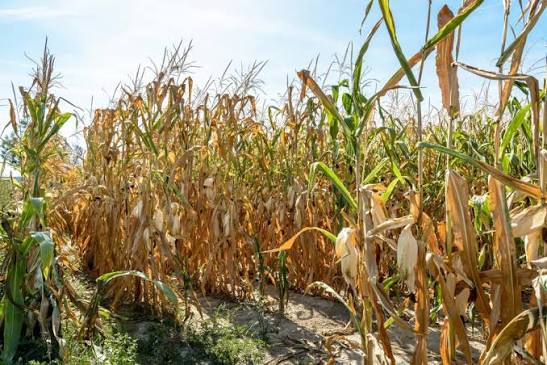
Partnering for Resilience and Sustainable Development in Zimbabwe: Climate Resilience, Inclusion, Strategic Partnerships, Development Financing
6 days ago
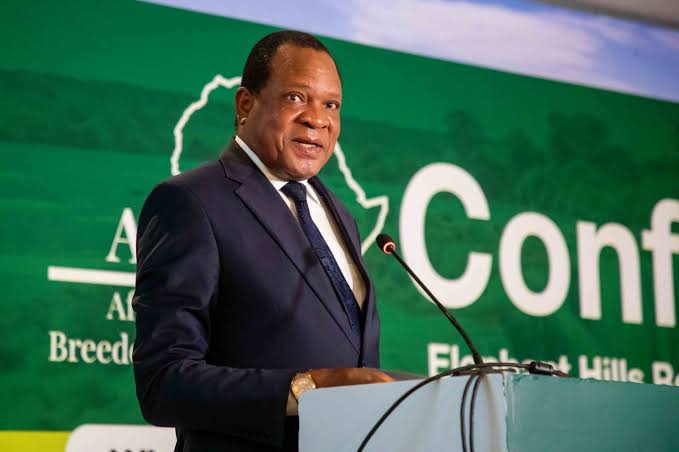
Government Accelerates Groundwater Push as Zimbabwe Water Indaba Opens in Bulawayo
1 week ago

South African Procurement Law – A Continued State of Flux
1 week ago
Related Articles
Enter the Revolutionary Digital Distribution and Customer Engagement Solutions
1 year ago
Digital Distribution and Customer Engagement: Challenges Explained
1 year ago
Transformative Nature of Decentralized Finance (DeFi)
1 year ago
Decentralized Finance (DeFi) Platforms Driving African Financial Systems
1 year ago
Comments (0)
Sign in to join the conversation and leave a comment.
No comments yet. Be the first to share your thoughts!