
Maternal anaemia in Zimbabwe has surged from 27% in 2015 to 41.8%, marking a sharp increase that impacts millions of women and signals a growing intergenerational malnutrition crisis.
According to the latest Zimbabwe Demographic and Health Survey (ZDHS), 58.4% of children are also anaemic, driving significant public health, economic, and productivity challenges. Read the full analysis at HealthTimes.
Maternal anaemia rates in Zimbabwe have surged to 41.8%, up from 27% in 2015, highlighting a severe public health crisis that affects nearly one in two women of reproductive age.
According to the latest ZDHS survey, over 58% of children are also anaemic, creating an intergenerational cycle of malnutrition that threatens long-term cognitive development and national productivity. Read the full analysis at the Zimbabwe Demographic and Health Survey.
Share this Article
Francis
FintechReview Africa Contributor
More from Francis
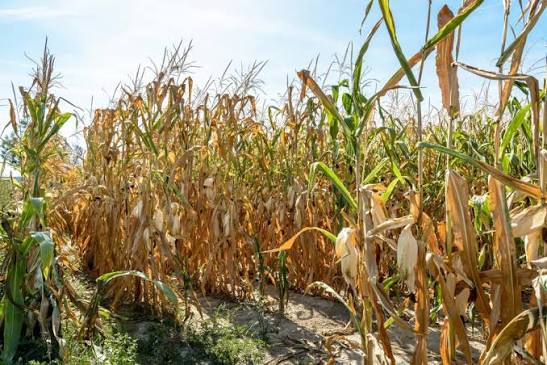
Partnering for Resilience and Sustainable Development in Zimbabwe: Climate Resilience, Inclusion, Strategic Partnerships, Development Financing
6 days ago

Government Accelerates Groundwater Push as Zimbabwe Water Indaba Opens in Bulawayo
1 week ago

South African Procurement Law – A Continued State of Flux
1 week ago
Related Articles
Malaria is on the rise in southern Africa, with several countries – including Botswana, eSwatini, Namibia and Zimbabwe – reporting new outbreaks, underscoring the ongoing challenges in eradicating the disease in Africa.
1 year ago
New Roadmap to Strengthen Health Security in Central Africa
1 year ago
The State of Migration in Zimbabwe: Trends, Sources, and Destinations (2024-25)
1 year ago
The Demographic and Health Survey (DHS) is the holy grail that guides policymakers, researchers, and donors in determining and designing health priority interventions in Kenya
1 year ago
Comments (0)
Sign in to join the conversation and leave a comment.
No comments yet. Be the first to share your thoughts!