
ACCRA, Ghana — More than a decade after the mobile money revolution began, physical cash still accounts for over 56 percent of daily economic transactions across Africa, a figure that international finance experts describe as a symptom of deep structural and policy-level failures. A survey of over 2,100 executives across 51 African countries found that while 53.6 percent of firms now use digital payment platforms, widespread adoption remains hindered by high implementation costs, unreliable internet access, and mounting cybersecurity concerns. Nearly half (46.15 percent) of surveyed executives identified high technology implementation costs as a major deterrent, while 31.16 percent cited unreliable internet connectivity.
The digital divide remains stark. Smartphone connections are forecast to reach only 61 percent of total connections in 2025, and many users still face prohibitive data costs. This challenge disproportionately affects female entrepreneurs; nearly half of women in business report lacking reliable internet access, limiting their ability to process digital payments. In Francophone Africa, while most companies accept electronic payments, structural and operational barriers including lack of devices, high transaction fees, and weak cross-border interoperability prevent wide-scale adoption.
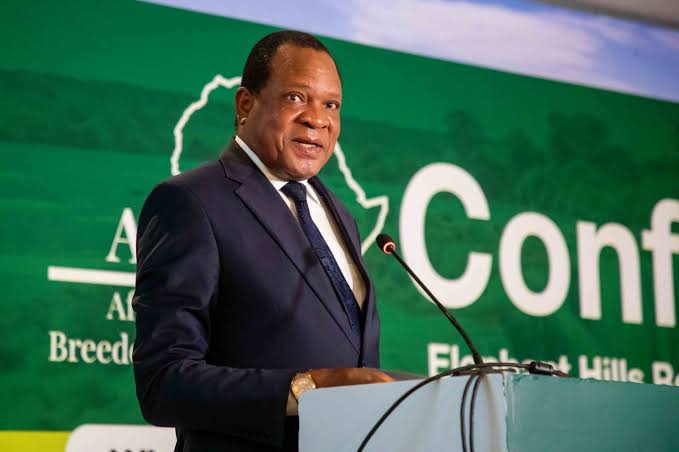
Speaking at a two-day conference at the University of Ghana, Deutsche Bank’s Fabio Knumann attributed Africa’s slow embrace of financial technology to a crippling mix of inadequate banking infrastructure and the absence of coherent national policies aimed at promoting digital inclusion. "Physical cash continues to dominate because the enabling environment for digital finance is either absent or underdeveloped," he stated. "Without ATMs, reliable internet, and mobile acceptance points in both urban and rural areas, it's unrealistic to expect people to embrace fintech solutions".
Beyond infrastructure, socio-cultural barriers further entrench cash dependency. Low financial literacy, fear of fraud, and emotional attachment to physical cash remain significant obstacles. "Many people still equate cash with security, prestige, or fulfillment. There is a cultural satisfaction in holding and exchanging hard currency, which digital wallets can't yet replicate," Knumann explained. "In rural areas especially, the lack of education on how digital finance works and how it protects people from theft or loss means that the shift away from cash remains a tough sell".
The consequences of this cash reliance extend beyond individual inconvenience. Lincoln Mali, President of the Association for South African Payment Providers (ASAPP), warned that cash limits efficiency, inclusivity, and transparency in the broader economy. "The SA payment landscape is at a turning point. Cash continues to dominate, especially in the informal economy, which is growing at 20% annually," Mali stated. He called on regulators to introduce cohesive policies that facilitate integration across different payment providers and financial institutions, urging governments to implement standardised policies that enhance interoperability among financial service providers across the continent.
Despite these challenges, progress is being made in several major economies. Knumann cited Ghana, Kenya, Nigeria, Morocco, and Egypt as leaders in the continent’s push toward financial inclusion through digital platforms, noting that Africa accounts for over 500 million mobile money subscribers. However, even these leaders face significant obstacles. The Africa CEO Trade Survey Report 2025 found that cybersecurity risks (30.84 percent) and a shortage of technical expertise (30.09 percent) remain critical challenges stalling wider adoption, with nearly 100 percent of respondents agreeing that digitisation is essential to the continent’s commercial futures.
Share this Article
Francis
FintechReview Africa Contributor
More from Francis

Partnering for Resilience and Sustainable Development in Zimbabwe: Climate Resilience, Inclusion, Strategic Partnerships, Development Financing
6 days ago
Government Accelerates Groundwater Push as Zimbabwe Water Indaba Opens in Bulawayo
1 week ago

South African Procurement Law – A Continued State of Flux
1 week ago
Related Articles
AI-Powered Fraud Arms Race — Criminals Outpace Defenders Across Africa’s Fintech Sector
3 months ago
'Agent Banking Backbone' Becomes Achilles' Heel as POS Fraud Explodes Across Nigeria
3 months ago
Interoperability Dream Becomes Fraud Paradise as Cross-Border Payments Outrun Traceability
3 months ago
Comments (0)
Sign in to join the conversation and leave a comment.
No comments yet. Be the first to share your thoughts!