
ACCRA, Ghana, July 29, 2026/ -- As of July 2026, moderate El Niño conditions were present in the Pacific Ocean. Global models point to further strengthening in the coming months, with a high probability that it will become a very strong event by year’s end, potentially one of the most intense since at least 1950. This underscores the need for early, coordinated action.
Across Western and Central Africa, El Niño’s effects on agroclimatic conditions differ from area to area and are difficult to predict, with no consistent regional signal. However, rainfall during the June-September rainy season tends towards drier conditions in parts of the region during El Niño years.
Across Eastern Africa, El Niño has more consistent but geographically contrasting impacts. In the western parts of the region (South Sudan, Sudan, western Ethiopia, Uganda’s Karamoja region, and Eritrea), El Niño is associated with below-average rains during the June-September main rainy season, frequently driving poor crop production. In the eastern parts of the Horn of Africa, which receive rainfall from October-December, El Niño years are instead associated with above-average rains and widespread flooding. While above-average rains can bring both benefits and risks, in flood-affected areas they can drive significant population displacement, damage to infrastructure and crops, loss of life, and rising food insecurity.
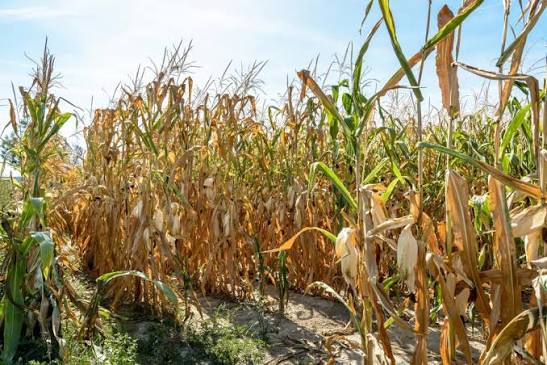
Across Southern Africa, El Niño is associated with below-average rains from October-April. As maize, the region’s staple crop, is highly vulnerable to water stress, 2026/27 production could fall below average, potentially affecting regional cereal supplies, though bumper 2026 harvests in parts of the region may help cushion the impact.
This comes against a backdrop of already high food insecurity across the continent: the 2026 Global Report on Food Crises indicates that around 149 million people are facing high levels of food insecurity across Sub-Saharan Africa.
FAO has been actively raising the alarm on the potential food security and agricultural impacts of El Niño. For example, at the invitation of the IGAD Climate Prediction and Applications Centre (ICPAC), FAO’s Subregional Office for Eastern Africa (SFE), in collaboration with FAO's Regional Office for Africa (RAF) Resilience Team, presented an assessment of El Niño's impacts on food security across the continent at a regional El Niño-Southern Oscillation (ENSO) webinar convened by ICPAC and the African Centre of Meteorological Application for Development (ACMAD) in July 2026. Bringing together National Meteorological and Hydrological Services, sector ministries, disaster management authorities, and development partners, the session unpacked the latest ENSO forecast and its practical implications for agriculture, food security, disaster risk management, health, and water resources.
Now is the time to act: mitigating risks before impacts are felt, rather than waiting for emergency response after the fact. FAO, a global leader in anticipatory action, is taking the lead. To this end, FAO and WFP have issued a joint Anticipatory Action Appeal seeking USD 202 million to protect 8.8 million people across 22 countries, of which 12 in Africa. FAO is also actively supporting countries across the region with analytical capacity, preparedness measures and anticipatory action to mitigate negative impacts as well as harness opportunities that it may bring. Ongoing and planned efforts include dissemination of early warnings, anticipatory cash transfers, seeds of drought-tolerant or flood resistant varieties, livestock support, and flood defenses or water storage systems.
Evidence from FAO’s 2023–2024 El Niño response shows that this approach delivers a strong return on investment, avoiding several dollars in humanitarian losses for every dollar spent ahead of a crisis.
Share this Article
Francis
FintechReview Africa Contributor
More from Francis
Partnering for Resilience and Sustainable Development in Zimbabwe: Climate Resilience, Inclusion, Strategic Partnerships, Development Financing
6 days ago
Government Accelerates Groundwater Push as Zimbabwe Water Indaba Opens in Bulawayo
1 week ago

South African Procurement Law – A Continued State of Flux
1 week ago
Related Articles
The Tobacco Research Board (TRB)’s Commemorates 75th Anniversary Seed and Varieties Anniversary
1 year ago
At African Development Bank Group 2025 Annual Meetings, young agripreneurs transforming Africa’s Agriculture in spotlight
1 year ago
Integrating youth in Agrifood systems transformation in Zimbabwe
1 year ago
Food and Agriculture Organization (FAO), Southern African Development Community (SADC) Parliamentarians join forces to advance the Right to Food and agrifood systems transformation
1 year ago
Comments (0)
Sign in to join the conversation and leave a comment.
No comments yet. Be the first to share your thoughts!